

Interactive Projector Games Library
The EyeClick games library is a set of motion-sensor games projected onto floors, walls and tables, controlled by body movement with no touchscreen and no controllers. Browse the library by surface or by the setting you run, from family entertainment centers to senior care.
Looking for the hardware behind these experiences? Explore EyeClick's interactive floor projector systems.
How interactive projector games work
Interactive projector games combine a projector, motion sensor, computer and game library. Players control the action with natural body movement, so there is no touchscreen, handheld controller or wearable device.
1. Project the game
A ceiling-mounted or mobile system displays the game on a floor, wall or table.
2. Track movement
A motion sensor reads steps, jumps, reaches and hand movements without a controller.
3. Respond in real time
The game software turns each movement into an action, score or visual response.
Browse by surface
Browse by venue
Featured titles
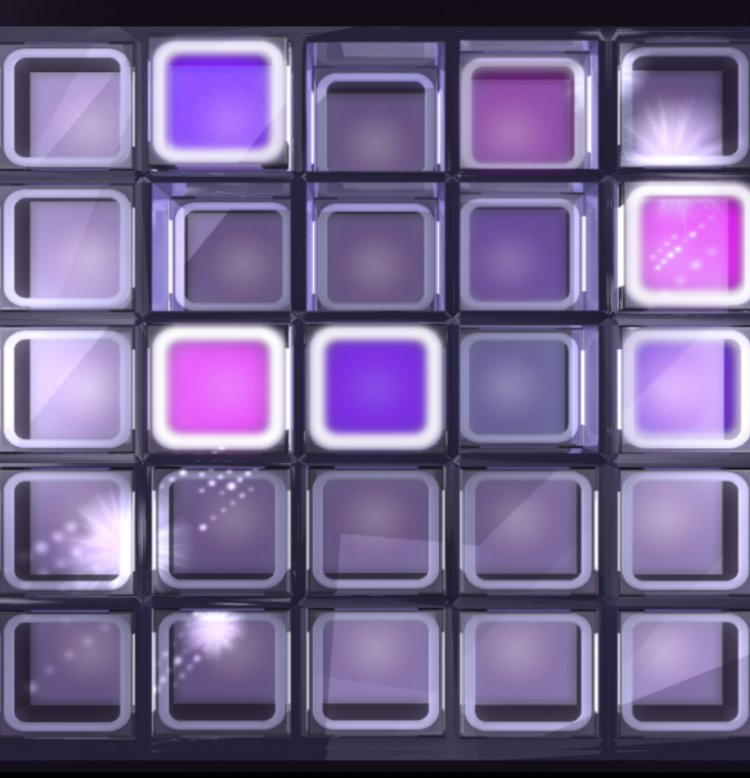
3D disco
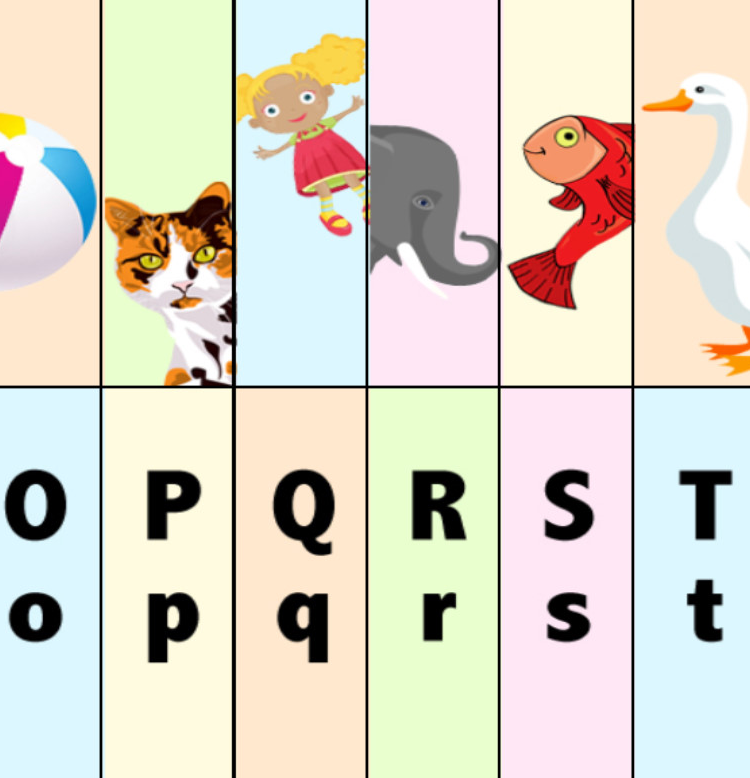
ABC

Aliens Vs Scientists
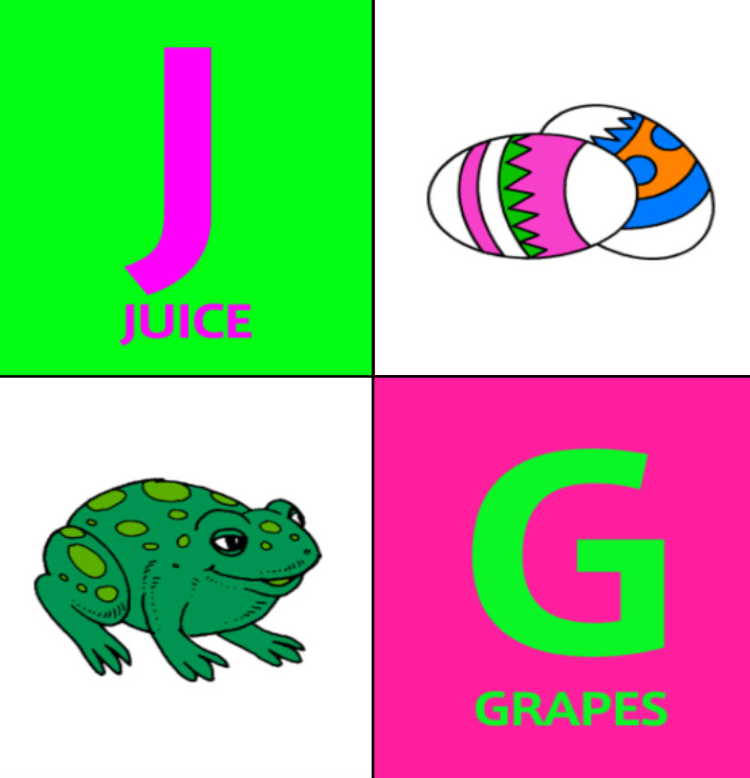
Alphabets

Amorphic

Animals

Aquarium
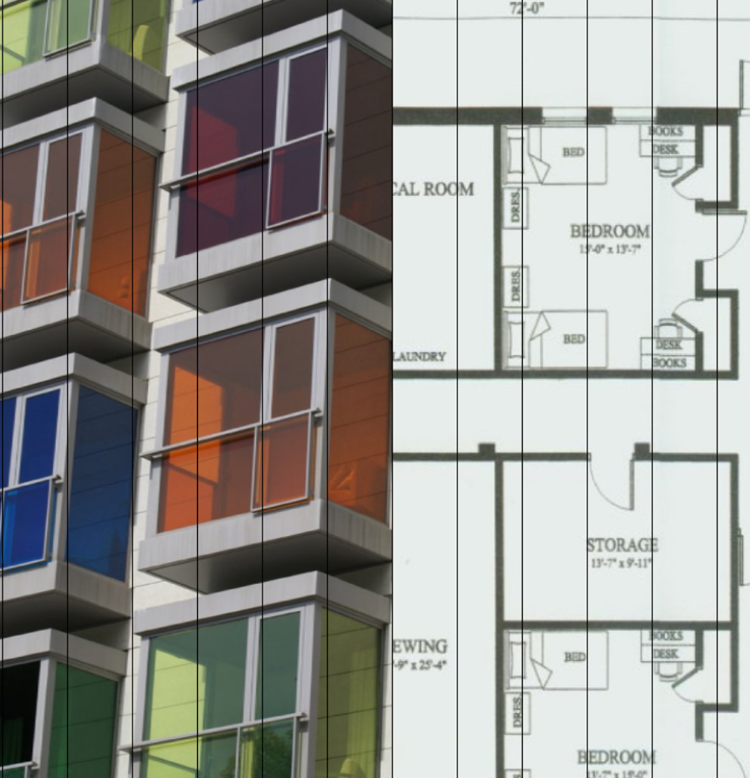
Architecture
What to compare before choosing projector games
The best collection is the one that fits your room, users and operating model. Use these 4 checks before comparing quotes.
Surface and room fit
Confirm whether you need floor, wall or table play, the available image area, ceiling height and ambient light.
Game depth
Compare the number of relevant titles, age ranges, player counts, accessibility and how new content is added.
Tracking and setup
Ask what sensor is included, whether calibration is automatic, and if the system is fixed or can move between rooms.
Total cost and support
Compare hardware, installation, game licensing, updates, warranty, training and ongoing support in the full quote.
Cost, licensing and setup
EyeClick games are bundled with a complete interactive projection system rather than sold as standalone downloads. Systems start at $5,796, and the final quote depends on the hardware, surfaces, room and content plan. Ask every vendor to separate hardware, installation, game access, updates, training, warranty and support so the total cost is comparable.
You do not need a special interactive floor or wall. A flat, light-colored, non-reflective surface works best, and a white mat can improve contrast on a dark floor. Normal indoor lighting is suitable when direct sunlight is kept off the play area.
Frequently asked questions
What is in the EyeClick games library?
Motion-sensor games projected onto floors, walls and tables. The library includes 350+ entertainment titles, 100+ senior care games, and thousands of EyeWiz education templates.
How do I browse the games?
Browse by surface (floor, wall or table) or by venue (family entertainment centers, schools, clinics or senior care). Each page lists real titles with ages, players and the surfaces they run on.
How are the games controlled?
Players interact with natural hand, foot and full-body movement on the projected surface. A motion sensor detects every move, so there are no controllers and no touchscreen.
How much do the games cost?
Games are bundled with an EyeClick system rather than sold per title. Complete systems start at $5,796, and final cost depends on the number of surfaces and the product line.
Can I use interactive projector games with a standard projector?
A standard projector can display a game, but it cannot track players by itself. An interactive projector game system combines projection, a motion sensor, a computer and compatible game software so body movement controls what happens on screen.
Do interactive projector games need a dark room?
No. Normal indoor lighting works when the projector is sized for the room and the play surface is kept out of direct sunlight. A light-colored, non-reflective floor, wall or table gives the clearest image.
Do I need special flooring or a special wall?
No special interactive material is required. A flat, light-colored, non-reflective surface works best. A white mat can improve contrast on a dark floor.
How many people can play at once?
Player capacity depends on the title, projection size and room layout. The game collection pages show age and player information for individual titles so buyers can match games to their group size.